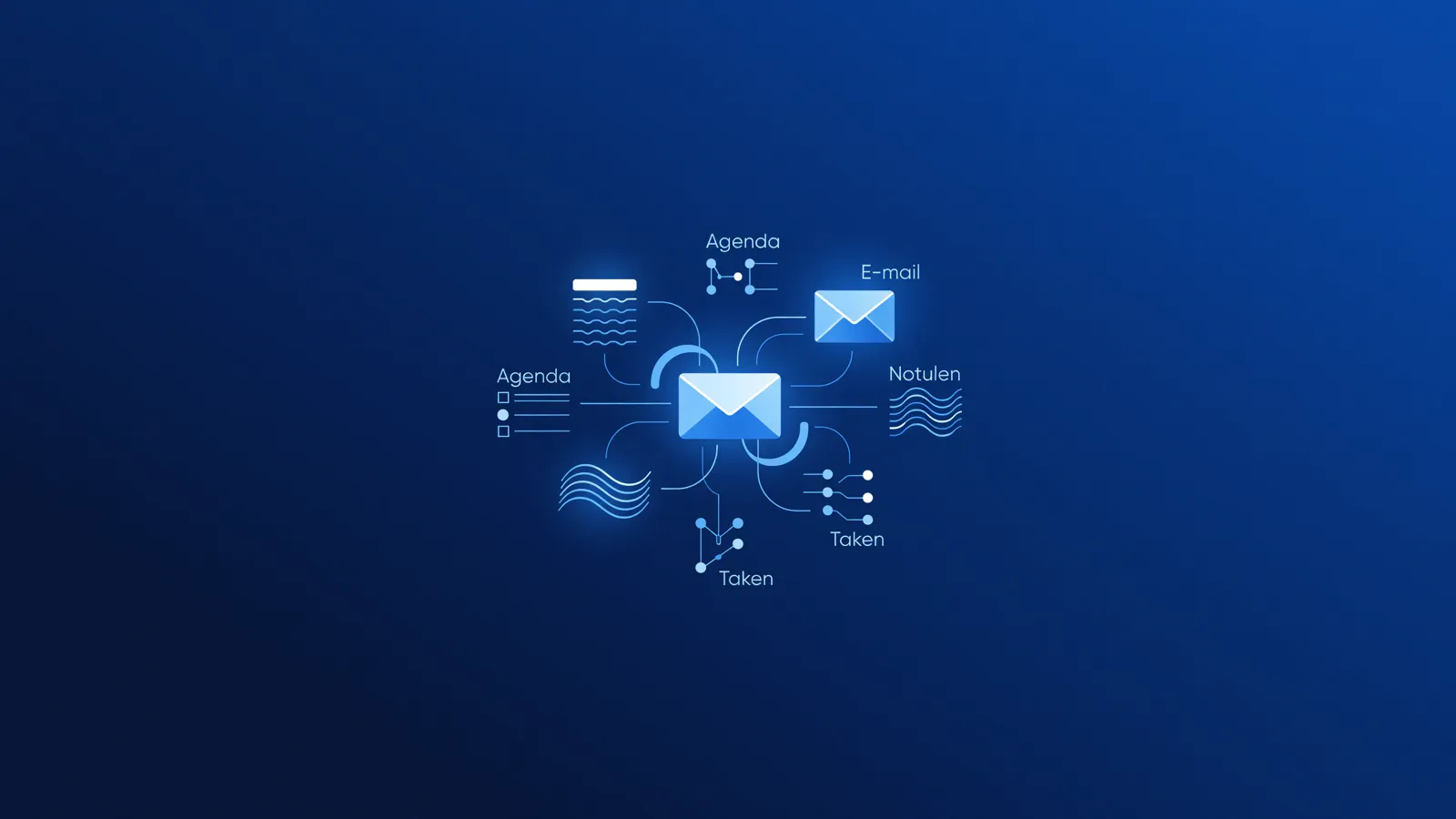
Calendar & Planning
Smart Calendars (Scheduling AI)
Purpose
Automatically scheduling appointments, negotiating meeting times, and optimizing daily schedules based on your work preferences and priorities.
Privacy Considerations
Calendar applications gain access to sensitive business and private data, such as who you are meeting with and what about. Check whether calendar data is used to train external models and if enterprise versions (such as Microsoft Copilot or Google Workspace AI) fall under strict GDPR conditions.
Email
Email Assistants
Purpose
Summarizing long email threads, automatically generating draft replies, and prioritizing your inbox so you can act faster.
Privacy Considerations
Emails can contain trade secrets, customer personal data, and confidential information. Avoid using free, external consumer AIs to process business mail. Ensure email integrations comply with GDPR and do not store data on servers outside the EU.
Meeting Minutes
Automated Meeting Minutes Tools
Purpose
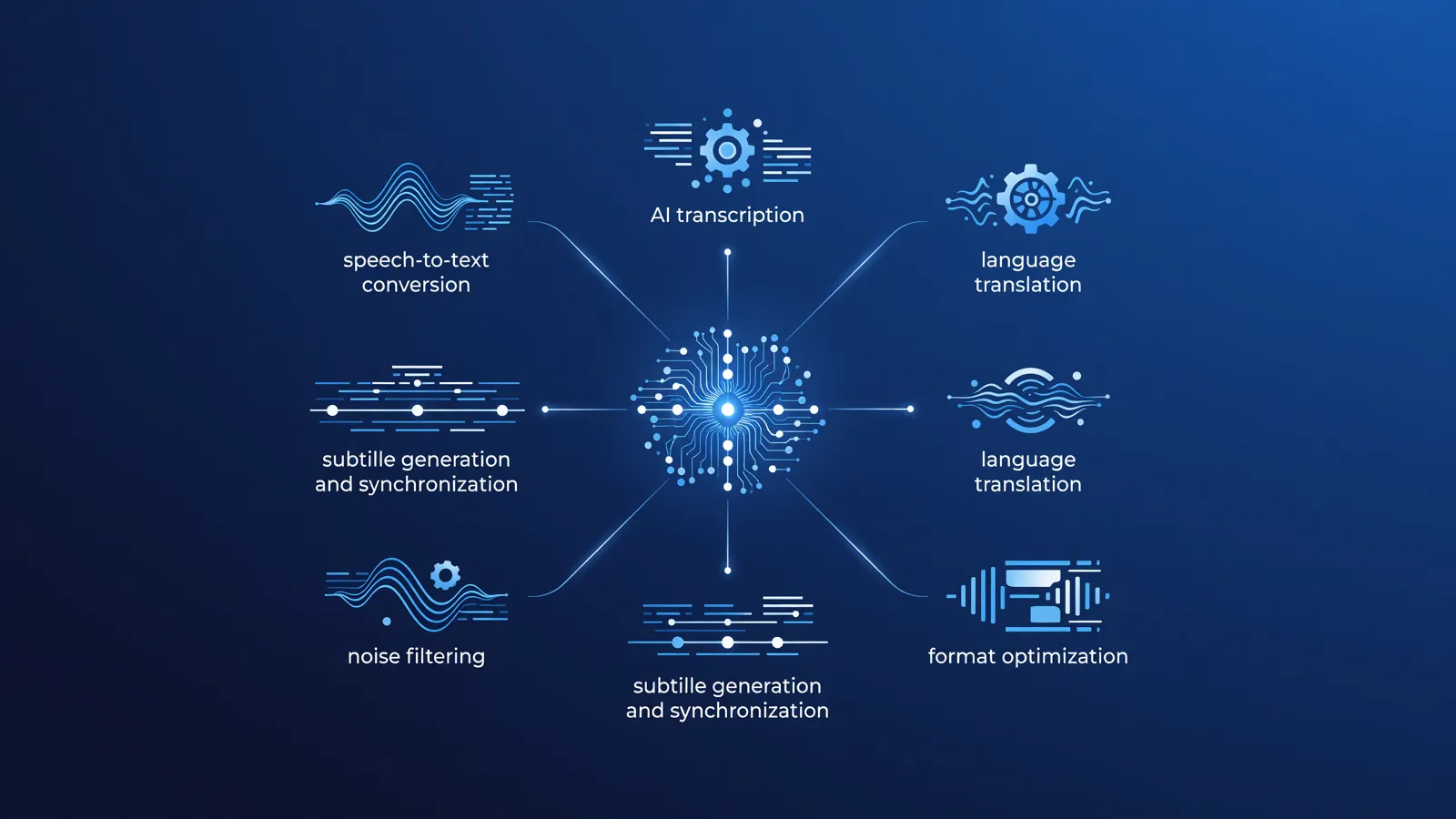
Recording, transcribing, and instantly summarizing in-person or online meetings, including the automatic extraction of action items and decisions.
Privacy Considerations
Audio recordings of meetings fall under GDPR and often contain voice biometrics and confidential business discussions. Pay attention to where the audio is stored, whether the transcription provider listens in for model improvement, and whether all participants agree to the recording beforehand.
Task Management
AI-Driven Task Management & Action Items
Purpose
Automatically converting unstructured notes and emails into concrete assigned tasks, assigning deadlines, and monitoring progress within projects.
Privacy Considerations
Task descriptions sometimes contain personal data or internal project details. Ensure locally run models or highly secure cloud integrations are used to prevent task lists from becoming public or serving as training data.